
A signed contract in Türkiye is rarely the finish line that foreign companies assume it to be. More often, it marks the point where the real relationship starts, and where the assumptions a European team brought into the room start getting tested.
This guide breaks down the dimensions of Turkish business culture that consistently catch European companies off guard: how relationships actually get built, what hierarchy still means in practice, why negotiations move at a different rhythm, what trust requires before a deal becomes durable, and the social rituals that quietly carry as much weight as the contract itself.
For companies used to Northern European or North American business norms, this can feel disorienting at first. Once the shift in expectations is understood, it tends to become a genuine advantage rather than an obstacle, because relationships that are built properly in Türkiye turn out to be unusually durable.
Relationships Come Before Business
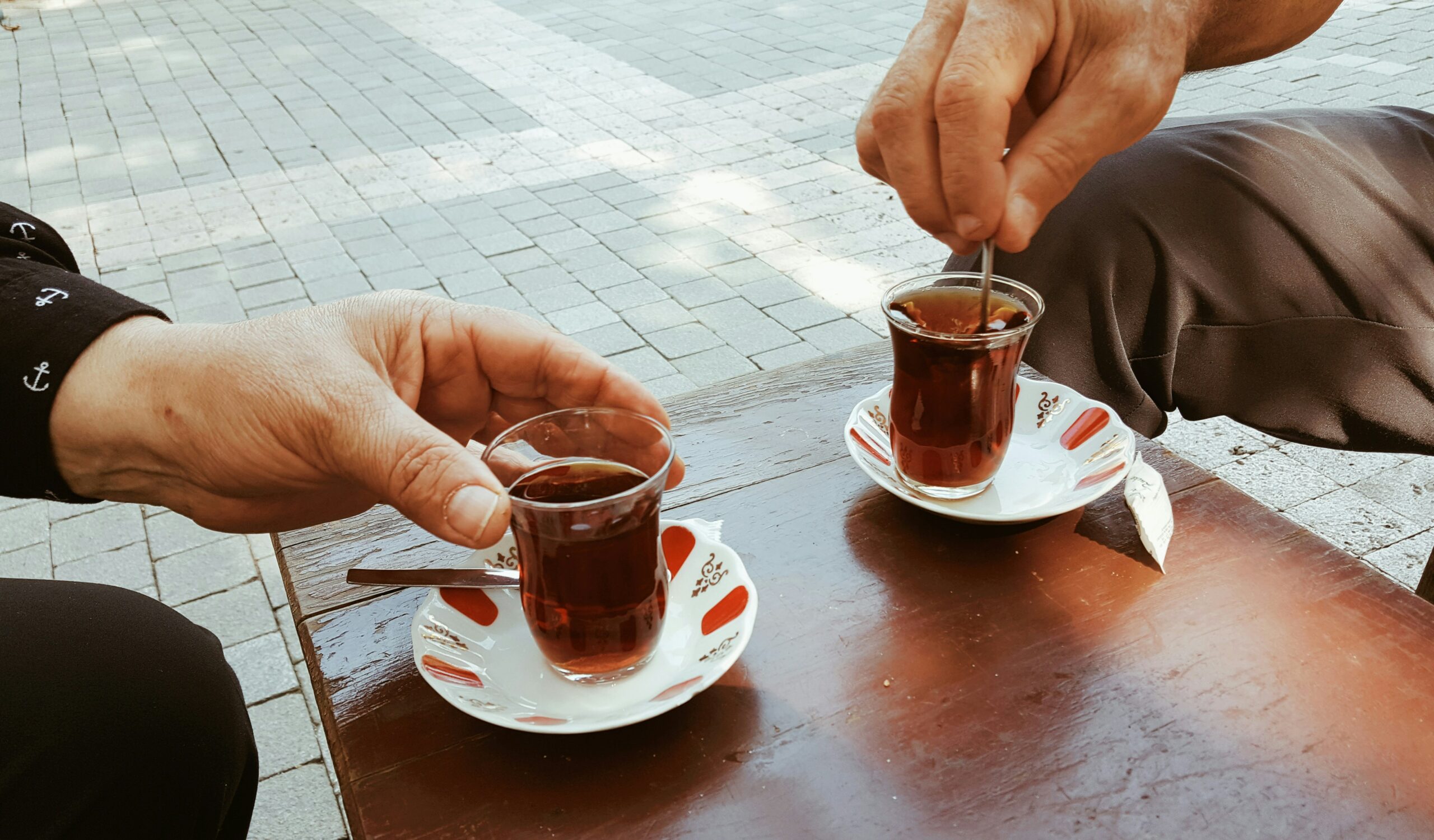
In Türkiye, business relationships are built on personal trust first and contracts second. A meeting that opens with tea, family, and unrelated conversation is not a delay before the real work starts. For a Turkish counterpart, that conversation often is the real work.
Companies that try to skip straight to the agenda tend to read as cold or, worse, untrustworthy. Turkish counterparts will frequently slow the process down on purpose until they feel they actually know who they are dealing with, regardless of how complete the proposal on the table already is.
This is not inefficiency for its own sake. It functions as risk management. In a market where personal relationships have traditionally carried more weight than purely formal mechanisms, even though Turkish commercial courts and arbitration are fully functional, the relationship is part of what backs the agreement when something eventually goes wrong.
Investing time early, through multiple meetings, shared meals, and follow up calls that are not strictly necessary on paper, tends to pay back later in flexibility, precisely at the moment something inevitably needs renegotiating.
None of this requires becoming someone you are not. It requires recognising that in Türkiye, the personal and the professional are not separated the way they often are in Northern Europe, and showing up accordingly.
Hierarchy Still Means Something
Turkish companies, especially the family owned firms that dominate the SME landscape, operate with a clear and visible hierarchy. Decisions concentrate at the top, even in organisations where delegated authority looks broad on the org chart.
Sending a junior negotiator to a first meeting with a senior Turkish counterpart, however technically competent that negotiator is, can read as a signal that the European side does not take the relationship seriously enough to show up at the right level.
Mirroring seniority matters, at least for the first few meetings, until trust has had a chance to transfer downward to the working team. Once that trust exists, day to day execution can run smoothly through more junior contacts on both sides.
None of this means Turkish hierarchy is rigid in a bureaucratic sense. Decisions can move fast once the right person is genuinely convinced, sometimes faster than the equivalent process inside a more consensus driven European structure.
Understanding who actually holds decision making power inside a Turkish counterpart organisation, which is not always the person with the most senior title on the business card, is one of the more useful pieces of intelligence a foreign company can gather before a negotiation begins.
Negotiation Has a Different Rhythm
Turkish negotiation style tends to be warmer and more personal in tone than a typical Northern European negotiation, without being any less commercially sharp underneath that warmth.
Price discussions often involve more rounds than European negotiators expect, a degree of apparent flexibility being deliberately tested, and a real tolerance for renegotiation even after terms seem settled, particularly around timelines and payment schedules.
Reading this as a lack of seriousness is a common and costly mistake. It reflects a different negotiation culture, one where the relationship absorbs some of the friction that a Northern European negotiation would instead resolve through more rigid upfront terms.
European negotiators who hold a firm walk away position while staying warm and patient, rather than cold and legalistic, consistently get better outcomes than those who try to lock every detail down in the first session.
Silence in a Turkish negotiation rarely means rejection. It more often means the decision is being weighed internally, sometimes by people who are not in the room. Reading silence as a closed door, and walking away too early, is a mistake European negotiators make more often than they realise.
What Trust Actually Requires
Trust in Turkish business culture builds through consistency over time, not through credentials presented confidently in a first meeting.
Following through on small commitments, replying when promised, showing up exactly when scheduled, remembering personal details from a previous conversation, carries more practical weight than it does in many other markets, precisely because it signals what the larger commitments will look like later.
Foreign companies that treat their first Turkish partner as a disposable test case, to be optimised away the moment a seemingly better option appears, will often find their reputation travels faster than expected through a business community where referrals and word of mouth still carry real commercial weight.
This extends to how disagreements are handled. A direct public correction, the kind that might pass without comment in a blunt Northern European meeting, can damage trust in a Turkish context. Disagreement is real and expected, but it travels better delivered privately, with room for the other side to adjust without losing face in front of colleagues.
Hospitality, Tea, and the Social Side of Business
Tea, known as çay, and Turkish coffee are not refreshments offered out of simple politeness. Declining the offer outright, rather than accepting even a small amount, can read as a quiet rejection of the relationship being extended.
Business meals carry more weight in Türkiye than in many European markets, and they are rarely transactional. A lunch or dinner with a Turkish counterpart is often where real rapport gets built, and rushing through it to return to the agenda undercuts the actual purpose of being there.
Gift giving exists in Turkish business culture but stays modest and symbolic rather than lavish. A thoughtful, moderately priced gift that reflects some genuine knowledge of the recipient lands far better than an expensive one, which can read as transactional or, worse, as an attempt to influence a decision.
None of these rituals are optional extras layered on top of the real business at hand. In the Turkish context, they are part of how business actually gets done, and skipping them to save time tends to cost more time later in the relationship.
Patience as a Method
None of the dimensions above are exotic on their own. Most European business cultures recognise the value of relationships, hierarchy, negotiation skill, trust, and hospitality in some form. What differs in Türkiye is the weight each one carries relative to the others, and the order in which they need to be addressed.
Companies that treat the relationship phase as a genuine investment, rather than a formality to clear before the real negotiation starts, consistently move faster once the deal is actually running. The patience required upfront is what buys the speed later.
Most of these adjustments cost a foreign company very little to make. The real cost sits on the other side of the ledger: ignoring them rarely causes a single dramatic failure, but instead produces a slow accumulation of friction across every interaction that follows.
How Wukong Can Help
We work the EU to Türkiye corridor in both directions, and the cultural dimension is rarely the part companies budget time for, even though it is often the part that determines whether a deal closes at all. We help clients prepare for the actual negotiation they are about to walk into, not the one they assumed from a distance.
This is also where a curated network of specialists matters: when a negotiation calls for deeper cultural or sector specific fluency than a single advisor can provide, we bring in the right person rather than improvising. If your team is heading into a Turkish negotiation and wants an honest read on what to expect, we are glad to talk before you walk into the room.
Frequently Asked Questions
Is it necessary to learn Turkish to do business in Türkiye?
It is not strictly necessary, since English works well in most corporate and urban business settings, but even a handful of Turkish phrases used naturally in a first meeting signal effort and respect that go further than most foreign visitors expect.
How long does it typically take to close a first deal in Türkiye?
Longer than most European timelines assume. A first engagement with a new Turkish partner often takes several months of relationship building before serious commercial terms are even discussed in depth.
Are written contracts respected in Turkish business culture?
Yes, written contracts are legally binding and commercial courts and arbitration mechanisms function well. The point is not that contracts do not matter, but that the relationship is what determines how flexibly both sides behave when circumstances change after signing.
What is the biggest mistake European negotiators make?
Treating the relationship building phase as a delay rather than as the actual negotiation, and sending a negotiating team whose seniority does not match the seniority of the Turkish counterpart in the room.
Does Turkish business culture vary significantly across the country?
Yes. Istanbul and the larger coastal cities tend to operate closer to a Western European rhythm, especially in sectors with heavy EU exposure. Smaller cities and more traditional sectors hold to slower relationship building and stricter hierarchy. Treating Türkiye as culturally uniform is itself a common mistake.